Seattle Jaw Surgery Invisialign

Am I able to have Jaw Surgery without Traditional Braces?

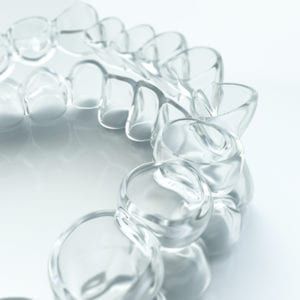
There have been many advancements in orthodontics over the years, particularly with the option of Invisalign orthodontics. Dr. Bobek strives to be on the cutting edge of orthognathic surgery and therefore has developed multiple techniques to perform predictable outcomes with Invisalign jaw surgery. He is one of the only Maxillofacial surgeons in the pacific northwest who is consistently preforming Invisalign surgery.

For patients to be eligible for Invisalign jaw surgery there needs to be coordination and agreement between your orthodontist and Dr. Bobek. During the initial consult with Seattle Jaw surgery, patients can be evaluated to see if they are eligible for Invisalign jaw surgery.  Unfortunately, not all situations can be set up with invisalign alone. 

  • For Invisalign jaw surgery we do not have the traditional hooks. Instead, during surgery Dr. Bobek will place posts (also known as skeletal anchors or TADs) in the mouth. The posts are used in replacement of the hooks to provide a similar function during surgery. These posts will stay in the mouth during recovery to allow the patient to wear rubber bands. These posts are removed in clinic 6 weeks after surgery. To remove the posts, it is a simple procedure and we numb the area prior to removal. 

Orthodontics are needed in conjunction with jaw surgery to level and align the teeth, but also the hooks on the braces and surgical hooks on the wire are used during surgery to allow positioning of splints and holding the teeth in correct alignment to carry out the surgical plan. After surgery, the hooks on the brackets and wires are used to place rubber bands.

One of the reasons many adult patients with malocclusions or uncontrolled sleep apnea delay having orthognathic surgery is due to the fear of having to have braces for two years. Invisalign jaw surgery can be a great option for patients to allow for a less noticeable orthodontic treatment. 

Patients who have otherwise straight teeth can start with surgery – something known as surgery first.  In these situations, surgery is done near the start of orthodontics and after surgery, the final alignment is completed. 

The main problem with invisalign jaw surgery seems to be efficiency. Because you are recovering from surgery, you will be unable to open your mouth widely to have a dental impression for 1-3 months. This delays wearing finishing trays for many months. Additionally, after surgery, you are not wearing your trays and the teeth may move. This may increase the time to finish invisalign.  

To combat these two problems, temporary braces can be used. These are not used during surgery to carry out the plan but are used after surgery to retain the orthodontic progress and speed up the completion of orthodontic therapy.  Commonly, these are placed the week of surgery and taken off when you are completely healed. Here are some examples:

Coming Soon!

TMJ surgery is very similar to other orthopedic surgeries. Many people have heard about their favorite athlete get a “scope” to help with knee or hip trouble.  The same “scope” can help with TMJ trouble. Arthroscopy is an outpatient surgery performed under general anesthesia. 

Here are common questions we are asked

Arthroscopy is useful for both the diagnosis and treatment of internal derangement of the TMJ. It allows us to see the location of the disc and to determine if a perforation or a tear in the disc is present. It helps improve the movement of the joint and reduce pain for people with minimal arthritis in the joint.  

Often times, we order a MRI to better evaluate the amount of arthritis present and the type of internal derangement.  Common disorders that respond well to arthroscopy include painful clicking, a stuck disc, a chronic closed lock of the TMJ, or scar tissue build up from previous injuries.  

Absolutely.  Like all other TMJ surgeries, you should try to get better with more conservative approaches. Common ones include jaw rest, medication, physical therapy, or even splint therapy.   In terms of surgery, a good alternative to arthroscopy is injection therapy

Nope. You do need physical therapy though. Physical therapy helps keep your joint moving after the scar is removed or the capsule is released.  

The most common risk with surgical arthroscopy is persistent symptoms. Pain or limitation in movement following surgery is always a risk so we have you limit chewing and liberalize movement. Physical therapy is very important in recovery.  

Sometimes during arthroscopy, the joint is worse off than expected. In that situation, Dr. Bobek converts to open surgery. He will discuss this with you in detail. 

Face weakness, change in occlusion, and face numbness are other more rare risks. 

TMJ disorders are seldom “fixed”.  Unfortunately they  flare up from time to time. Arthroscopy is a surgical technique to help you adapt to the different anatomy in the joint and manage longer term flare ups. The surgery increases the space in the superior joint (the joint that slides down the skull) allowing for more movement.  The joint can be injected with steroid or prf during arthroscopy.  Botox is sometimes injected into the lateral pterygoid during the procedure as well.   All of these can help with pain and movement of the joint, but they do not “fix” the joint.  

Coming Soon!

Oral pathology is the diagnosis and treatment of cancer in and around the mouth. It includes cancer growth along the tongue, cheeks, roof of the mouth, gums and the floor of the mouth.

When a biopsy confirms an oral cancer diagnosis, an oral surgeon will discuss treatment options and recommendations with the patient. In many cases, surgery may be necessary to remove affected tissues, reconstruct facial features, and restore function to the mouth.

Did you know that early diagnosis of oral cancer can drastically improve long term prognosis and treatment outcomes?

 Since oral cancer causes little or no symptoms in its earliest stages, regular oral health exams play an important role in identifying signs of the disease as soon as possible. In addition, everyone – including those who have never smoked or abused alcohol – should conduct regular at-home self-exams for signs of lumps, lesions or white patches in the mouth between dental checkups.

More than 45,000 people are diagnosed with oral cancer every year – many of them right here and the surrounding area. Historically, it has been most common in people over age 40, though people under age 40 represent the fastest-growing population developing the disease.

Anyone can develop oral cancer. However, some people are at higher risk of developing the disease than others. For example, heavy drinking and tobacco use have been linked to the disease. Another culprit, the human papilloma virus (HPV), is increasingly responsible for oral cancers – especially in young individuals.

When oral surgeons are involved in pathological treatment, it usually means that a tumor or lesion needs to be removed, as well as any other tissues or lymph nodes that may be affected by a cancer. Oral surgery often removes much of the cancer, though additional treatments like radiation and chemotherapy may also be necessary depending on the stage of the disease.